

UCLA Health Moves to Help Fill Thousands of Medical Assistant Jobs

UCLA Health Moves to Help Fill Thousands of Medical Assistant Jobs
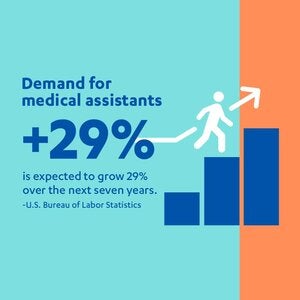
Medical Assistant Demand Surges Around the Country
Surging demand for medical assistants spurred UCLA Health to create a new program that prepares students for a career in the medical field.
The length of the UCLA Medical Assistant Program ensures that students are prepared to work in the field immediately upon completion and meets all of the accreditation requirements by CAAHEP, allowing students to potentially work anywhere in the country. The UCLA Medical Assistant Program also requires students to sit for the national certification exam, the National CMA.
A scholarship available through the UCLA School of Medicine is given to students who are accepted into the program. The scholarship covers most of the cost of the program. Students paid an average of about $5,000 out of pocket over the year to complete the program.
Applications for the next round will open on March 1, 2019.
View last year's info session:
UCLA Medical Assistant Program Info Session - YouTube
- (00:00)
- my name is miss Torres Isabel Torres I'm the program director for the medical assistant program here at UCLA welcome to our first information session for this year for the start of September okay I want to introduce to you two of my supervisors I have Kawana here and Toyin Kawana is a chief nursing officer and I have TOI in here who the director of ambedkar nursing good evening everyone welcome thank you for coming to our info session on our medical assistant program I am dr.
- (00:42)
- Kwan Abati's chief nursing officer for ambulatory care and the co-director for the medical assistant program responsible for curriculum development and assisting with program oversight along with Isabel and also Rick the Paula dr. zapala who's over the humanities division we're really excited this is our second cohort we are really interested in you being an applicant to our program Isabelle will share more information about the program and we will be here to answer any questions Toya good evening everyone and welcome my name is joy Noah and it's a pleasure
- (01:13)
- to have all of you today we are here to answer any questions and we wish you good luck I also have two students here which you'll meet shortly I asked me to come in and share their experience of the program so far they've been enrolled for two terms so they're midway from the program so I'd like you to meet them and that way they could if you have any questions regarding the the program with experience they'll be able to share some feedback so the America system program here at UCLA is 12 months long okay is
- (01:49)
- 12 months long and it's divided in certain terms with specific classes in each term and it's very in the reason why we have it that way it's very comprehensive we targeted a lot of areas in which we feel that is extremely vital to the medical assistant profession we target let's say medical terminology pharmacology in ways in which other I feel at other schools does not so it's very comprehensive you learn a lot of skills we focus on three areas knowledge skills and competencies the difference between this these areas guys knowledge is what we
- (02:27)
- lecture in the classroom so what we'll be doing a lot of lecturing a lot explaining a lot of demonstration and that's what the skills come in so you will also do hands-on so you'll do hands-on based on the lecture that was presented so if we Lex you're on let's say billing and coding then the hands-on is in billing and coding we lecture in pharmacology injection and the skills follow but we also have to do a competency area and the competency area guys is where we validate your skills so it's lecture hands-on we validate the
- (03:00)
- skills and these areas other than being a requirement of Maher is to assure that you are graduating from the program that you're in you're well developed in that area okay so that that's that's the focus of our program here at UCLA again we have I said there was 12 months per for the program ten weeks each term okay so it's ten weeks each term every term has three courses so you you won't be getting maybe three professors in each term because each term has three different classes there are four three different professors that
- (03:37)
- are experts in those areas and that's what they're teaching we'll be accepting 20 students clinic or externship guys is completely here at UCLA clinics we're developing we've developed some clinics and where you're able to do your practicum on weekends Saturdays and some air and some clinics are or open Sundays so those are working adults we try very hard to accommodate your working schedule but we also ask that the students work with us just in case okay so here's our first group right here they started down laughter in September
(04:14) good looking crowd right yeah that's our first group you'll be meeting to my students again in a few seconds at this point guys our classes are held Mondays to fry from six to nine or six to ten some of the classes lectures can be from six to nine some of the lab areas six to ten and little a lot of one hour longer because we need you to really focus on the hands-on and that's really what your focus is right weekdays and we can clinic experience that goes back on the clinical externships you'll have so who here has full-time job eight Monday - (04:51)
- through Friday 8:00 to 5:00 okay so so if that's the case Kaizen will happen uh probably or having the clinics to have two to know kind of kind of schedule use Saturdays and Sundays otherwise then we'll work on something on scheduling within within the week at this point I want to turn the the floor to my students Masada sadly miss jasmine I have two students here at studies and Jasmine I requested that they share their feedback their experience in the program so far hello everybody my name is Araceli and I'm going into the third
- (05:27)
- quarter now this medical assistant program and I'm very excited I'm also quite nervous so this is not this is blush what you see here it's makeup I didn't count on a camera but I'm very excited and I'm glad to see a large group and I've told many friends and family and I wanted to tell you how exciting this is for me I came from no medical background and now I have learned so much that I am putting things into practice and I can't tell you enough about it it's not easy there's a lot of homework a lot of reading I have
- (06:05)
- a full-time job so you do have to put the effort in it's not gonna just you know this is programming it's easy it's not but it's very rewarding it's it's I mean we are so excited it's you're gonna reap the rewards that's definitely do you guys have any questions for me as far as first you know what is entailed I would say a week I would have to say about my goodness a good 20 hours I would say if not more I mean I sometimes do homework during my lunch hour my breaks anytime I get I'm always reading taking notes googling stuff that I don't
- (06:59)
- know there's a lot of terminology that I you know I've never seen that I don't come from a medical background so I have learned so much that you know it's it's an accelerated program so you put in a lot of time due but you learn a lot I mean I've come a long way I mean mistura's can attest to that I I was very shy and and now I think there's a reason why she asked me to come here and speak to you guys I I'm still trying to break out of that but I have learned so much that I wish you all the best in getting in I know there's limited seats
- (07:34)
- but if you do get in it's it's an amazing it'll change your life after as I thought I'm I'm too old for this you know this is for young people but you know I'm so glad I went for it and and I'm hearing I'm very happy any other questions yes career or are moving into a new career I'm in administrative right now but I want to expand I'm in I think to myself you know you're never too old to move into something new and I think this is really my calling it came at a later you know time in you know at my life but I
- (08:27)
- think this is this is wonderful and it's never you're never too mature I don't like to say the word old but you're never too mature to learn something new and I think learning is it's a life changing and it changes people's lives yes yes I'm you know I'm working I have a full-time job and you you know I said I spoke to my supervisor you always want to let your supervisor know that you're taking a course and that was they were flexible I guess but there are some places where they're not flexible you have to just find the time sometimes I'm
- (09:08)
- up till two o'clock in the morning just reading the material because we have quizzes almost three to four times a week there are with weekly quizzes so you want to stay on top of it because you don't want to fall behind there was a time where I I was absent one day throughout the entire two term and it really set me back I ended on my classmates to to guide me oh how did it really does set you back if you if you're not invested in it you have to be on top of it because then you feel lost because there it's an
- (09:46)
- accelerated program and you learn so much in just one class when three hours that you're here that's six to nine there is so much to learn I mean you're constantly taking notes and trying to understand what what was given to you and and it's it's um but it's rewarding you know you cannot miss I mean I understand it if things happen you know you you have to miss but that's why you have to have a tight communication with your classmates that way you can always say oh this is what what was covered and tomorrow they're gonna cover this so
- (10:24)
- read up on chapter such-and-such and that's why that that communication comes comes in hand any other questions yes oh my goodness congratulations the medical I'm afraid to do this blood but I thought this is a good opportunity to do this book my question is I know this is coal parts right so if something happens like a family emergency and you have to break out of it does that mean you're out of the program at that point like say you're like you write maybe you finished your first and second quarters and then something happens in the third
- (11:18)
- it depends on the number of hours that you miss so there's a requirement that you complete 75% of the time within the 10 weeks so if you miss if you miss less than 70 if you miss 20% then we are able to work with you to make up to think that emit some times it may be tests it may be hours it may be specific lecture that just depends on what is missed so there's no requirement for you to be present 100% of the time but the information that is covered there our responsibility to be able to make to catch up yeah within those 10 weeks
- (11:51)
- within those three different courses there's a lot of different things you may be taking anatomy and physiology pharmacology at the same time and you may you know so there's that's two different subjects all of the books are covered so when you become a student every book that you need in order to be a member of the program is given to you so both are included with tuition that doesn't happen anywhere I've been a college student have a doctor it's been in school for a long time and never got any free tips anywhere so the books are
- (12:17)
- covered all of the content so we use an online platform called canvas canvas is where you can look at all of your information the powerpoints are there your grades are posted there so we have online support as well as traditional and classroom lecture yes thank you that's a great question it this this term around we started the externship clinical program in term two so how we have it developed now is that that term two is the first term and where students go out and do their clinical experience which is only
- (13:00)
- observation which is front office so that's turned front office skills only trim three they do hands-on for an office and observe back office skills term for they do everything back office on hand so that's how we develop the externship and it works with the terms in which their their learning so term one they learn for an office administration but they don't do any observation of that until term two and trim two and three is where they learn the Nano physiology and the back office skills and that's what they learned that(13:34) s'what it's our observation portion and hands-on last term does that make sense these are all UCLA clinics that is correct luckily we have over 200 clinics so we have multiple areas where students can gain experience because the classes are held here the gallic center at on-site in Westwood the evening or the Friday labs are held in Westwood 200 met Plaza is one of the one of the areas where the clinics where the students go now for the clinical rotations or the clinical experiences we have selected specific
- (14:10)
- clinic that clinics that students are assigned to and sometimes based on where you live or what's easiest for you or where you work you're able to build the relationship and have your hours in that area and I know for this term the students will continue so that term to experience turn three and term four will be done all in the same practice because you've been there for a while you've developed relationships with the managers with the front office and back office and so that's the best approach does everyone
- (14:35)
- know front office and back office means okay just checking making sure that everybody is on the same page the front office is your administrative work checking a patient in check verifying insurance billing coding those types of things back office is clinical so taking a blood pressure doing vital signs on women a patient going through the processes for the patient any other questions yes [Music] well I I know that for myself I thought I always saw the medical assistant as you know with high respect and I thought
- (15:30)
- oh my goodness it must take a lot to get there and and this opportunity came to me and I said to myself well my kids are grown up and I have more time to devote and so I thought to myself I'm going to invest my time now and into this program and and I and from here I mean there's no stopping you you can just continue into different areas it's all up to you what what what fits your I have my classmate Jasmine I think she has a few things to share maybe her experience can hi everyone my name is Jasmine Javon shirt and I'm high school I'm a recent
- (16:14)
- high school graduate so I I don't have any work experience I don't have any I'm gonna refer to my notes at some point so I'm not ignoring guys I'm just like so um when I was applying I I thought I would get ahead of myself like you know am I fit for this and I would kind of like is it is this out of my league and when I actually got here it was it exceeded my expectations it was exactly what I needed and it's I found that it it is a bit fast paced but I can't imagine myself anywhere else it's it's it's opened my eyes to more
- (16:53)
- possibilities and as I mentioned I'm a high school graduate so I didn't really have any idea of what direction I wanted to go cuz you know you graduate you're like okay college but what are you going to study what did what what what's the next step but because I joined this program I have found that I have structured and I have fulfillment in in my life and while I'm also learning all the new I'm sorry well I'm learning all these new subjects I'm also learning real life skills like learning how to manage my time and how to handle myself and carry
- (17:34)
- myself maturely although I might not show right now I'm a bit nervous but it's really preparing me for the world in which I am preparing to strive it I've learned how everything in it that I learn in class applies to everyday life and I really enjoy learning languages I'm bilingual I don't know I don't think you could tell but I really enjoy learning learning languages and I really enjoyed learning medical terminology that's my like like niche I really enjoy learning route words and learning how to build words from small pieces another
- (18:14)
- thing I struggle a lot with math but I was surprised to find that I really enjoyed pharmacology and the calculation portion of it once you understand it it's it's exciting when you get something correct I have I have really enjoyed my time in the mat program so far and I'm really excited to get more hands-on experience and I look forward to what the future holds because I'm not going to stop here I I think someone asked like if if you have more medical in mind ahead I definitely do this is a stepping stone to like the future I I'm
- (18:55)
- going to enjoy my time here and being a medical assistant but it's gonna teach me so much and I look forward to everything that it's gonna bring me it's already I'm sorry it's already given me many opportunities uh before this I'd never gotten out of my house like literally and and now now I volunteer and my days are full I get home and I knock out I used to have problems with with that kind of thing but now I look forward to each day and what I learned any questions No all covered okay I want to add a little more information on your question
- (19:38)
- the America assistant program is an entry level into the healthcare profession so any students that don't have any work experience in the health care area this is a good starting point is this program a requirement for you to move upward in the healthcare profession like a nursing program physician assistant RT so and so forth it's not a requirement but it's a great entry point and there's a lot of professions in the healthcare field that you're not aware of so by getting your foot into a program let's say a medical assistant it
- (20:08)
- opens up areas that you did not know existed and maybe at that point when you're ready you can move forward and enter those programs as well so it's a very good starting point for adults who don't have any working experience in the healthcare field or haven't taking college courses for a very long time and you need to something not quick but something that it's workable so this is how the MA program offers could work for you any other questions yes so yes we currently are accepting 20 students in our cohort and that's based
- (20:58)
- on a requirement that for every 20 students you have to have a new instructor so because this is a new program we wanted it to be very successful so we've invested all of our resources into these twenty students to do what Jasmin has described and have that experience going forward once maybe you know two or three cohorts from now we will have a rolling entry so every quarter we will or every term will start a new cohort but right now we're only accepting 20 students I'm the percentage of acceptance so for our last cohort for this cohort where we
- (21:31)
- have the 20 students accepted we had 54 applications so we had 54 applicants and this was within a three-week period so we did not do any marketing no advertising it was one email that was sent out in word-of-mouth and within 3 weeks we had 54 applicants we accepted 20 students out of those 54 applicants the application process you complete I know it's listed on the brochure so there is an essay that you have to write that explains your intent to be in the program we asked for your high school transcripts we want to you're not
- (22:04)
- looking at your grades you'll want to just make sure that you've completed high school or have a GED we've also implemented for this next cohort of hesse tests because we want to make sure that you have some basic adult comprehension capabilities I'm the HESI doesn't they won't give you a score that's not a pass or fail we just want to look at the results to make sure that we understand what the needs of the program is as well as the needs of the students to be sure that we're providing you with the best resources
- (22:31)
- possible so if you're interested if you if you're thinking about it if you're on the fence you should apply and the majority of more than 50% of our current students work at UCLA so when we designed the program it was for the working adult we have it in the evenings because we know that folks want to improve their life they want to do something more they want to do something better but not everyone can afford to quit their job and go to go to school full-time so it's really important to me that we design a program that is for the
- (23:01)
- working adult understanding that people who don't work will also attend but that it's manageable for you to be able to balance your life complete school and also pursue your goals does that make sense so after you take those classes yeah so sue do you want to give us the information on the 400 level credit hours and transferability it usefully - sure so the courses that are part of this certificate so the courses are part of the certificate program are all numbered X 400 so X 400 at UCLA Extension they're it's a numbering
- (23:59)
- system that determined that indicates to students and also other institutions what level of course that is X 400 courses are mostly going to be professional courses so it really depends on the institution that you will be transferring to whether or not they would accept those courses so the difference between X and X el level courses are we have also excel level courses Excel oval courses our degree credit courses that are equivalent to UCLA's undergraduate program so those are technically all transferrable only
- (24:31)
- because it's the same as a UCLA undergraduate course however with X 400s there of course is that UCLA main campus does not have an equivalent course and those are courses that UCLA Extension developed and created they're like original products so we cannot say for certain if other institutions will accept it many of them do transfer but it would just depend from institution to institution and course to course really so it just really depends but they are transferable it just depends on the accepting institution whether or not they decide
- (25:02)
- to accept it as a transfer of course oh so you are referring to the new league new graduate free course complimentary course so the therefore we at UCL extension do provide a complimentary course for recent UCLA grads however certain courses are excluded from that promotion and this particular program in this current state would be because you can't necessarily jump in and take a whatever course you would like because you have to be accepted into the program and only accepted students would take these courses in its
- (25:50)
- current state now in the future when we have four cohorts running perhaps we will be able to open up enrollment for the general public so if you just want to jump in from a phlebotomy class that might be possible as a few years from now but right now in this state the only phlebotomy course we have is a part of this program and only students that apply to the program and are accepted would be able to take those classes so that's how that's how that would work but yes we do offer a free class to to select courses for UCLA
- (26:20)
- grads so we're gonna have an FAQ or a Q&A after the presentation so I'll just really quickly go into okay so after Isabelle finishes her thank you okay so so bad go back to the program guys here just some examples in which you'll be learning some of the skills the the program again once again is comprehensive we teach you administrative for an office and back office skills so here are just some a few examples of the back-office skills so you'll learn how to take vital signs which is blood pressure pulse temperature respiration height weight
- (27:04)
- pulse oximetry these are the measurements that us as patients they there's just a connoisseur the MAS taken out when we're patients so that's the focus of the MA Professions you're gonna you're gonna learn this once you learn it you're gonna practice over and over and over and over again other than the vital science what's the next thing that you do that they do to us when we're patients they ask the reason why we're there right so that's G complaint you learn how to take your complaints you learn the questions to
- (27:30)
- ask so that way you can obtain the information for the doctor and that where the doctor could assess the reason why why you're not feeling well then you'll learn other areas such as assisting with physical examinations what it takes the instruments the names of the instruments a purpose of the instruments you'll learn how to do injections we have simulation models that you will inject a hundred times okay and along with knowing how to do injections and where to do injections is learning the the calculations of the drug
- (28:03)
- administration which is the pharmacology course so based on the based on the prescription given you have to determine the amount to give and then where to give it in how to give it so that's all in the pharmacology course and part of administration of medications then you learned some blood draws EKGs so this is just a limitation guys this is just a small amount of skills that you're learned is it's a lot more to this a little bit on the front office is of course scheduling appointments how to schedule the appointments the\
- (28:34)
- information you need to schedule the appointments answering the phones call confirming prescriptions taking messages and part of it is the simchart so we teach you electronic medical records so that way you're able to know how to put data entries so that's all for an office another great picture of our MA students here so I'm gonna go back and have you and have dr.
- (29:07)
- Kwan go over the philosophy the program it's a lot of words on the slide doesn't work so our program philosophy is really to produce the mess the best medical assistant possible the program does not guarantee that the students will be employed at UCLA health but you will have the opportunity to apply and speak with a career specialist that will talk about what it means to be an employee at UCLA so the program will build on community and the community that draws from our faculty advisors and students so we utilize which is different from other medical assistant
- (29:45)
- programs existing staff nurses to teach the program so we have medical assistant instructor that teaches the program we have guest lecturers for example we'll have a lecture on high level disinfection and sterilization or we will have a medical assistant a medical device reprocessing specialists come in and teach the class so you get hands-on teaching from the professionals who are actively doing the skills within their job which is really great because you are getting the most relevant information what's the national standard
- (30:16)
- you're not learning anything old you have the best textbook so this is really a great program this program is very innovative because in most medical assistant programs you don't go into the clinic and do any skills until after you completed the entire program we actually introduce you to the skills one skill builds upon another and so it's our philosophy that if we introduce you to the skills it becomes regular and then you're able to provide the best care possible for our patients our program draws on ci care and CI care
- (30:44)
- is our philosophy for the way that we interact with each other as well as our patients and the expectations for UCLA health where we heal humankind one patient at a time so it's really patient-centered it's student centered and we want the students to have the best experience possible any questions about our before the appropriate okay Isabel all right well that's really it for the PowerPoint any any many questions for me any questions on the program any questions on maybe the admission process that the suit can answer within UCLA
- (31:45)
- because I do work at UCLA health at the chief nursing officer we often we facilitate orient clinical orientation for students or for new hires that are hired into UCLA both medical assistants lVN's and Oren's every month we orient about thirty new hires this program was my program and it grew out of the need to have medical assistants who are prepared and ready to take care of our patients so before having the medical assistant program we spent a lot of time retraining staff that had come in from other jobs they had come in from other
- (32:23)
- programs but they were not able to perform the skills to what our expectations are at UCLA health so because of that we developed this program so while we cannot guarantee that you will get a job there are a lot of people that are looking to hire our students I just had an email this week from one of the directors saying when can we interview the students I say well they're still in class and they have two more terms but so we cannot guarantee you a job because this is not an employment direct expectation for the
- (32:49)
- program but we do have career specialists available and it is the it is the hope that our graduates will apply to jobs and be hired because we do have the relationships with the clinics where the students are doing their clinical hours I've talked to many of the directors and managers they're very excited they love the students and it's working really well so I think that you know most of the students who are hired here will get a job here when we developed a program when we were doing our fact-finding and making sure that
- (33:19)
- this is a good idea to start the Grahame we only decided to have 20 students and everyone was so sad because we had way more than 20 openings listed on our careers website so there's no guarantee that you will get a job but it's highly likely that with the training in our UCLA clinics that you would be a top candidate for the openings that we have we not only have openings and we have clinics in three counties spread across Los Angeles County so you don't have to be in Los Angeles and work in Westwood we have clinics in Alhambra we have
- (33:50)
- clinics in Ventura County we have clinics in South Bay we have clinics everywhere literally if you follow one of the buses there's a picture of UCLA it will probably take you to a clinic so there's lots of opportunities for medical assistants our medical assistants are the majority of the workforce and ambulatory so we have over 200 clinics there not many nurses working in the clinics but the majority of the staff that work are medical assistants so there's a tremendous workforce the last medical assistant recognition day I believe we had over
- (34:18)
- 700 medical assistants working currently at UCLA so there is opportunity here for the students who graduate from the program but we just can't guarantee that they will be hired there is true there's a scholarship available the scholarship provided by the School of Medicine is almost what 90% of the cost of the program and that is coming from UCLA into the extension to fund the program for each student I'm just going to quickly go over the application aspect of the of the program because it could be a little bit complicated
- (35:01)
- sorry it's a little bit complicated so I just wanted to show you really quickly most of you probably have already been to our website that's probably how you ended up learning about this info session so the URL to the website is on the back of the brochure it's it's everywhere but what you will first do is let me turn this off you'll just go to health the UCLA Extension CDU then you will just go under the allied health programs because this is an allied health position and you'll click on UCLA medical assistant Pro
- (35:34)
- Oh Graham right here or you could just follow the URL that's on the back of the brochure you've probably already seen this is the the favorite picture that we've been using a lot tonight so this is our current cohort and this is just the general information about the the program as you can see the scholarship is amazing the the cost of the program is $23,000 for the whole year however the School of Medicine at UCLA is so generously offering up to 21 thousand dollars in scholarships for UCLA health employees and up to eighteen thousand
- (36:06)
- dollars for not non UCLA health employees so for the whole year if you're a UCLA health employee the program will cost you two thousand dollars in tuition and if you are not a UCLA health employee that's five thousand dollars for tuition and that will be split up into all four quarters so you're not paying that all at once that will be split up into four different payments and each quarter that you you'll take your classes is when you'll pay the tuition so it's a pretty affordable program the this we've never
- (36:33)
- I've never seen a scholarship this great before so this is an amazing opportunity if you are to apply and be accepted in this cohort it's a it's an amazing time for you to do so because you know this this scholarship we don't know how long it lasts but you know might as well apply now when it's being offered so the applications are all due May 31st that will creep up on you really quickly so you just want to keep an eye on the calendar there so if you were on this website this is the homepage this right hand toolbar is where you can quickly
- (37:04)
- access the the main pages that you will need to know so that you can quickly access the information you need to in order to successfully apply to the program because there are multiple steps and you don't want to miss anything and and if your if your application isn't complete you you won't be considered accept it you won't be considered as a complete application and you won't necessarily be your application will necessarily be reviewed unless we have a complete application so here on the on the right-hand side you can click on
- (37:32)
- application information to get the full requirements that you'll need to meet in order to successfully apply and if you click on this page you will see that you'll need to meet these four requirements which are you need to be able to work in the US you to have a high school diploma or a GED you have to be competent in reading comprehension and math basic math and arithmetic skills and you need to take the HESI admission exam I will go into the Hessian a little bit but that's the entrance exam you'll need to take and
- (37:58)
- that will probably be the more of the most complicated aspect of this application process so I'll go into that in a little bit but basically there are nine steps that I listed here four for completing the application it seems like a lot but really is not that much it really is just attaching your resume writing your short essay about your your intentions and why you're applying to this program you just need three letters of reference and your your your high school transcripts and you just need to take that hesse exam and make sure you you
- (38:28)
- take it on time so the the reference letters must be completed on our approved reference form and you can find that on item number five if you click on this link right here reference form if you click on it you'll see this PDF document just downloaded and have your reference completed and then you will then attach it to your application they can you can email this link to your reference and they can complete it either on by hand they can print it out and fill it in by hand or they can type it up as long as their handwriting is
- (39:06)
- legible I think it will be totally acceptable you just want to make sure it's completed on this form so you can definitely email or send a link to them or you can print it out yourself and just give it to them in person as long as you you have three letters of reference you need to also provide us with their contact information so that we can reach out to them to make sure that you know the to do if you have any questions about what they filled out we can ask them and also you just need to make sure at least one of them is your
- (39:32)
- current supervisor if you were employed if you're not employed that you don't have a supervisor but if you're employed we require at least one of them to be your current direct supervisor so that's where you that's where you can find the reference form here so if you go down here you can see that you can click this apply Now button which will take you to our actual application page I'll go over that in a little bit but first I'm going to show you this link here the HESI exam page the hesitate that's probably just a little
- (40:00)
- bit complicated because there are several steps you need to follow and you just need to kind of go to this page read it carefully we recommend that you don't hold off on this until like the last minute this this process might take a few days so you I would recommend that you look at this page and start the process no later than April fifteenth if you are to get everything done by May 31st which is a deadline so the first step right here step one is to create an Elsevier account Elsevier is the the testing company that
- (40:29)
- actually creates the HESI and you'll be taking their exam so first you need to go to the 'silver website and create your account then a severe will then send you a eligibility ID they just need to verify that you know you will be taking the exam with us because as Sevilla has so many exams I need to make sure that they're gonna administer the correct exam to you so you'll you'll contact them say you want to take this exam they'll give you an eligibility ID when you receive your eligibility ID from a severe you will then go to
- (40:59)
- prometrics website to schedule your exam Prometric is a proctoring service so they just need to make sure that you're taking the exam through the proctoring service so there's Prometric Testing sites all over Los Angeles area there's you just pick the closest one to you and you'll just go whenever you have time on Saturday morning Sunday whenever they you know that you can schedule the time you should go the earlier you do it the better because then you know all the good times aka Saturday mornings are taken up if
- (41:29)
- you wait too long so I'd recommend that you do it quickly so that you can then make sure that your your schedule your exam is scheduled early enough so that it's convenient to you when you when you successfully schedule your exam with Prometric you will be sent an email confirmation that shows you exactly when you'll be taking it and where you'll be taking it you will need to save that email because you will be attaching it to your application we just need to verify that you you are scheduled to take the exam and this third step would
- (41:58)
- be take the exam you just follow the instructions that Prometric will provide to you you know they'll give you instructions on what to bring with you what to not bring with you and when to come and what the what the check-in process is so this this webpage here also has an FAQ area if you want to know more about the HESI exam you can click on each of these questions to have your your concerns address or if you have any questions most likely these are the this FAQ section will probably answer the majority of the questions you may have
- (42:26)
- if you don't you can definitely reach out to our our department the humanities and Sciences Department and our contact information is also on the brochure so you can reach out to us but you can also click on contact us here and get our information so you can email us here at home site at UCL extension that edu or call us at this phone number and kalynn who checked you in so nicely earlier today he will probably answer the phone and answer interview questions so that's the has the exam when we go back to the application information page
- (42:53)
- and I told you you can click on apply now to be directed to our application this is the this is where you'll actually start filling out your application for the program and as you can see it is all due May 31st you can start it at any time you don't have to start it and finish it all in one sitting you can start you can stop you can save it come back to it later so if you don't have your HESI exam or anything like that set up you can just fill in as much as you can and then come back to it later right now I'm not going
- (43:20)
- to apply right now because I'm you actually have to apply so what I'm gonna do is show you screenshots about what it will look like if you were to apply this is the first page then you move on to all these areas where you'll fill in your information and attach the documents so this is pretty much going to be the application yes okay so the fees are so the the total cost that you will pay to apply would be a hundred and eighty-three dollars seventy five dollars is for the application to UCLA extension to submit
- (43:57)
- this application here seventy-five dollars one hundred and eight remaining dollars is actually to pay to Prometric to take the exam it cost money to to have your exam your HESI exam proctored at Prometric so that's where the cost the fee will be but the application fee is seventy five the exam fee is a hundred and eight so altogether you're looking at about a hundred and eighty three dollars to to apply to submit your application so combined it will be both it has the exam two to take it as well as submit your application so if you
- (44:36)
- were to go back to the oh i think i closed it out but that's fine so basically um the application is you just be filling in typing in like your references name your references email and you'll just be attaching all the documents that we require which are your resume your high school diploma I mean your high school diploma or your your transcripts and your reference letters all of them are attachable to the application so everything is on online you don't have to send any paper to us you can completely do it digitally we're
- (45:03)
- going green so that's where you'll pretty much apply to the program everything is due on May 31st so all of your attachments all of your everything must be attached and submitted and paid and your seventy five dollar application fee must be paid for by May 31st but you can take the HESI exam up until June 30th is when you can take the HESI exam usually to schedule it and submit your application by May 31st but you can take the HESI you can actually sit for the HESI if some time like later on and on June 8th or whatever and then s severe
- (45:34)
- will then send us your scores every 15 days then we will then see your exam scores and then we will then look at over your application yes [Music] yeah we have taken the evaluation from the international diplomacy so I believe there's a service that evaluates the diplomas and we just look at that so we've had a couple of applicants that have had international diplomas and we just look at the evaluation from the transcript it does it at the on it does it's a high school diploma yes that should be fine I believe toi Annette
- (46:31)
- this will we had before yes so for the American diploma well for the American schools we accept the diploma we do like to have the transcripts because we like to see what courses work and more complete it but it's not a requirement that you have transcripts so we're not asking you to go to your high school and get them to send us a sealed envelope or anything like that we've had you know a minimum expectation is that you have your diploma if you have your transcripts that that's great if you have an international diploma and we
- (47:34)
- can't see that it is a diploma then we need to have the evaluation because we're really just looking to be sure that you have completed high school or have a GED so whatever format that you have that shows that is what we're looking for some people do have their transcripts and haven't submitted them and some only have a diploma and we accept that and for international students and we want the equivalent so that we can understand that it reflects that it is in high school diploma another see them it I don't believe it's the same because
- (48:15)
- for our Hesse we have excluded certain portions of the Hesse you don't have to take the full thing so some schools like if you apply to nursing school there are certain components of it we have different criteria so we would prefer that you take ours we would have to evaluate it to be sure that they've included the same criteria that we have when we contacted Elsevier to set up our art test if that makes sense yeah do we do we put the so if you look at the FAQ area of the Hesse page and if you click on the first question what is
- (48:50)
- tested you'll see that there are four parts and the first part is reading comprehension part two is vocabulary in general knowledge part three is grammar and part 4 is basic math skills when I spoke to the Elsevier rep she stated that this will this exam will be testing at about a 10th grade education level so that you have an idea on what kind of level of material will be tested they stated that it's a 10th grade level of education there's some fear that you can add science if you want to have that as a part of your testing criteria but we
- (49:24)
- just did basic reading math comprehension [Music] you get submitted to us and just let you can submit it to us so we can evaluate it to be sure that it's the same components because when we did complete the contract there were other components that could be added and I'm not sure if what you take what you what you've taken is meets the requirements for what we had so we can look at it and see if it's the same and then we probably should also ask Elsevier how does that translate what institution maybe you can send su an email and let
- (50:05)
- her know and then we can contact them okay yeah so we just need to make sure that it's the same content and then the date just a time frame when you took it when did you take it okay all right yeah send to send su an email and then with the with the scores and then we can contact Elsevier to see if it's the equivalent of what we're asking you to do we won't give you $5 no it's guaranteed so so all students and it this is different for most programs as we don't have one scholarship we don't have to we have 20 scholarships to offer and
- (50:54)
- everyone gets the same amount of scholarship the only determining factor is if you work at UCLA it's cheaper and that's a benefit from being an employee for those than those who are outside but we and our student are current cohort we have students that are both inside and outside of UCLA so everyone is eligible for the scholarship it isn't dependent upon your grades or your HESI score or how much money you make or how big your family is it's a benefit of being in the program and it's really an investment from the School of Medicine that every
- (51:22)
- student who's a part of the program does get that financial benefit of the scholarship which includes the books Parkington is parking no parking sorry no partner but you do get the books and you know all of the resources that the students have yeah it does include the uniform yes it includes the uniform we have any white shoes to give out but we do give out the uniform the uniform is amazing yes we do fittings we do fittings at the beginning of the program we have a vendor come out that's fitting so you don't have to wear
- (51:54)
- the uniforms from the last students keep your uniforms yes so you see all the extensions certificate graduates which are gonna be the people who are finishing the program if once you get a certificate you are considered a part of the UCLA alumni so you can then you know join the Alumni Association get alumni discounts and you can even get a Bruin card which is a student ID so as long as your certificate student you're considered a student or UCLA student with a Bruin card and once you finish the certificate and earn earn it you'll be considered a
- (52:45)
- part of the UCLA Alumni Association or alumnus you're considered an alumnus yeah yes not yet no no and we are also offering a refresher course so a part of turn four will be a refresher course to practice and study to pass the test so yes we would hope that 100% of our students pass the great thing about our program also is that the program was designed by nurses so because it was designed by nurses we were trained with the higher expectation that maybe most medical assistant programs which is which i think is a great benefit because we
- (53:32)
- don't give you only the bare minimum that you need in order to be a medical assistant but we give you what we feel you need in order to be critically thinking capable to take care of our patients some of that is a little bit more than you need to be an MA but it's enough to make you confident in your skills and make you feel that and know that you're able to address a physician when they ask you a question confidently that you're able to address patients and understand what their reason for the visit is confidently and not just read
- (54:01)
- the the diagnosis on the chart and I really know what it means so we're really investing in our students to be sure that they are I'm holding on to and adhering to all of the knowledge that we have as nurses you know the nurses you know met their masters prepared nurses doctorally prepared nurses we didn't build a curriculum that way but we also be designed it to be sure that we weren't missing anything and it's based on our observations and I've been working in ambulatory care as a nurse leader here at UCLA for five years
- (54:30)
- leading all of the clinics over ten years I've been a nurse for 20 years I've been through various different allied health plus nursing programs so I'm experienced in those programs and based on the staff that we interact with I'm looking at applications from people who apply for jobs I'm helping to see if we can evaluate them to become certified understanding the difference between medical assistant programs because they're not all created equal within our own community you can be go to medical assistant school and you can only take
- (55:01)
- the front office or you can only take the back office but you'll get a job that's expecting you to have all of the requirements to be a medical assistant but you didn't have the skills that that that actually taught you how to do it so you know we would have people be employed and there not comfortable touching patients I couldn't understand how you could be a medical assistant and not want to touch patients but if that wasn't a part of your experience then maybe you didn't know that you know that is actually
- (55:24)
- something that you need to do so we make sure that you are ready to take care of our patients this term we are looking at including standardized patients so live actors that you can actually practice skills on because some of the students are saying can we practice on each other I'm like no way they'll practice on each other what if has something happens so um because you're at UCLA we do have lots of resources so we do have simulation mannequins and things so you have the best opportunity to have the education
- (55:54)
- that you need to feel confident whether you take a job here at UCLA which we hope that you do or you go out into the community we really are happy to know that our medical assistants will be at the top of their field yes there is no book for the HESI exam I believe if you go on their website there is a study guide err of some sort on the head yeah on if you click on the how should I prepare for my exam FAQ there is a link that takes you to the Prometric site and they do have study prep or guides that you can purchase
- (56:38)
- from there but you know that's something you can do I believe that you could pop you could purchase like a test prep book if you would like to prepare for the exam and then really if you've completed high school is the expectation that the tests are the questions within the tests won't be that hard for you to complete we just want to make sure that you're able to meet the expectations of the program because there is math there is a lot of reading there's some you know we don't have to do a computer test or anything but we want to make sure that
- (57:07)
- you're prepared to be your best then be successful in the program I don't think there's a great no no there's no great it's just have you taken a SAT or a CT some standardized tests it's you don't get a great pass or fail you just get a score so you get a score no so this is just really a score so then it's a score for each section yeah so it's so it's not fail we're not gonna exclude you based on your HESI testing scores no and we really work to build the strengths of the folks that are in the program so not
- (57:49)
- everyone is at the same level not everyone trained the same way they didn't go to the school they didn't go to same high school some people haven't been to school in 20 years some people just got out of high school so you can tell that there's going to be a difference in what they know and how they learn so we really tried to use all the different tools to train adults that we can and whatever resources we can acquire to make sure that you're successful so if you're weak in math and we can help with the dosage and
- (58:14)
- calculations we try to present the information and the best way possible so that you can and can learn from it and we're and we're open to feedback so if it's not working for you and you can tell us it's not and you can tell us what you need and we can help make that available as well yes so in the initial so if you look at the there there was a handout that you picked up on your way in it's the the landmark dates so this is just like a guideline on what you can expect how the the process the application and
- (58:57)
- selection process will kind of move forward so we on around July between July 1st and through 15th because we're gonna allow everyone to have a chance to take the HESI until June 30th so starting July 1st hopefully we'll have all of your scores and then we can start looking the selection committee will start looking through your applications so during this process during this two-week time the selection committee will select 20 students to to offer the top 20 spots to and we will we will have we will select 10 students to waitlist
- (59:29)
- so you will be contacted if you are accepted or wait-listed and then not based on prior experience not all twenty students who are provided acceptance notices are actually commit you know things come up or suddenly as a financial situation happens or maybe they just you know have second doubts or whatever it is so that's why we have a waiting list because not all twenty students actually take the opportunity so that's why we have a waitlist so and we actually did have to go down the wait list for the first cohort so just
- (1:00:02)
- because you're on the way this doesn't mean that there's no no chance that you'll get in so if you get wait-listed you know you just have to we do let you know so that you are prepared to jump right in and then you know start and pay your tuition and then start so by around August 16th you you will the wait-listed students will be contacted because will give the accepted students about a month to accept and and formally pay their their fall to ition so you will see from this this timeline when exactly tuition
- (1:00:31)
- will be due for each quarter as I mentioned tuition will be broken up into four core your full year's tuition will be broken up into four payments so that you have an idea on when each of the the quarters tuitions will be do that that's all outlined here so that you are prepared for it mentally as well as my nationally to to pay for them we haven't done it this cohort but I believe that we are gonna get preferential acceptance for students in the next cohort so the next year we are planning on running two courts one in
- (1:01:20)
- fall 2018 and one in spring 2019 so if you are on the waitlist for 2019 or 2018 and you don't get in I believe that we are gonna definitely give the the wait-listed students from the fall cohort a the acceptance note is to get into the spring so it's not you know it's just a matter of when you'll start the program you know if you get off the waitlist now or if you get off the waitlist in spring so Kurian who's on the committee sometimes we invite you know guest leaders like instructors to look at the applications and those are people that
- (1:02:19)
- are involved in the solution we're looking for your skills communication and we also look at grades no like Leslie for example your I school pretty what's at the point that you really score in your but as applicable to pharmacology if we you need help before you in disguise so that we will be able to support you when you come not at the great will make you fill your selection but to be able to provide a system that you will need when you get into the program because there's a lot of calculations needed you know for the
- (1:02:57)
- math and pharmacology so things like that and therefore the SC part of it we look at the Grandma composition what are you scores in variation together with evil writing in the class doing homework and also things that you will need to do on your communication to in the class and participation something like that hope that helps so again like toy and said I'm on the selection committee is about on the committee toys on the committee and we look at all the applications first read all of the essays and we go through all of the high
- (1:03:32)
- school transcripts high school diplomas international transcripts we also look at the recommendation letters from the three the three letters that you have and then also will include the Hesse Hesse component so all together that will help us to determine who is the best candidate from the last class I can tell you my experience with selecting the 20 students from this cohort students were able to you know they wrote essays about their experience their lives and what compelled them to be in the program those are very
- (1:04:08)
- compelling along with their prior experience in school and what their future goals are you know my goal is to be a doctor or you know some and it's not everyone that has had a very successful career in high school folks have said you know I didn't really do well in high school and now you know I realized that I really need to buckle down so please don't look at my grades I'm a great person so we actually take into account every year life experience along with the references the people who are willing to write a reference for you
- (1:04:43)
- and say hey this is a great person they need to be in your program so we really look at everyone comprehensively everyone's unique situation and I'm select the best candidates that we feel would benefit the most from the program who have written their essay and provided the information in a timely manner so you know people who send their information in early that you know you're it's remarkable when someone is very eager they know what they want to do they get all their information and right away or if we need to start
- (1:05:09)
- sending you emails asking you hey we don't have this hey you didn't do this and that's probably indicative of what the experience will be as a student so we want to make sure that we're investing in the students that are invested in us does that make sense you had a question sir okay thank you all right so if you have any further questions or if you think of something tonight and you just have to get it I answered you can always email us our contact information is on the brochure you email us at humm sigh at UCLA Extension that
- (1:05:46)
- idea or you can call us and I think we're we're gonna be open from 8:00 to 5:00 every you know from Monday through Friday so you can call us and ask us questions if you have any but yeah the website is gonna be a very good tool it has as much information as we could possibly put on it basically everything we discussed tonight is pretty much already on the website so you can look through the website look through the application and if you have any questions feel free to reach out at any time it seems like May 31st is a long
- (1:06:13)
- ways away but it's not it actually creeps up on you really quickly and especially if you need to then contact your high school to get your transcripts in or your copy of your diploma I recommend you do with that sooner rather than later last year we had some students who requested their transcripts too late and there's their high schools were closed for the summer so depending on whether you know when your your high school closes for for summer break I you know you may not be able to get your high school transcripts in time so I
- (1:06:39)
- would recommend just getting an early start on these things because you know then you can if you hit a roadblock you then you can have time to reach out to us and ask well what do I need to do this or where do I find that so the sooner you do it the better and you know just get it out of your mind once you submit it I guess and if you have any questions you know always contact us that's it thank you so much for joining us if you did not receive a gift bag I believe that there are enough for everyone so just come come see me and in
- (1:07:09)
- the bag before you leave in and we'll definitely give you a gift bag
- the bag before you leave in and we'll definitely give you a gift bag
- are experts in those areas and that's what they're teaching we'll be accepting 20 students clinic or externship guys is completely here at UCLA clinics we're developing we've developed some clinics and where you're able to do your practicum on weekends Saturdays and some air and some clinics are or open Sundays so those are working adults we try very hard to accommodate your working schedule but we also ask that the students work with us just in case okay so here's our first group right here they started down laughter in September
Medical Assistant Program
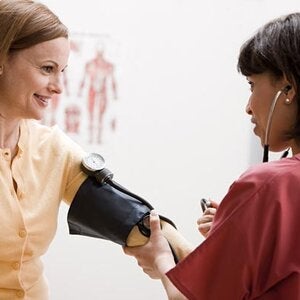
The UCLA Medical Assistant Program (MAP), offered through a partnership between UCLA Health and UCLA Extension, combines the theory and practical experience necessary to prepare students to transition successfully into a career as a medical assistant.


