

Digging Up the Past: Finding out about past ecosystems
Digging Up the Past: Finding out about past ecosystems
E&S SCI 701
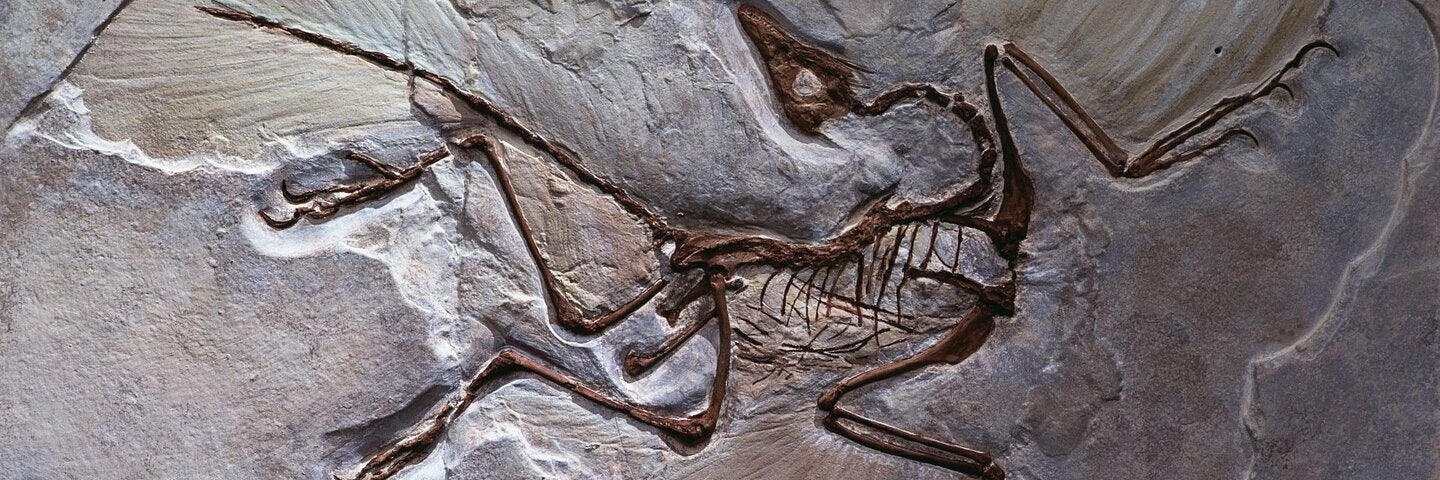
We've all seen dinosaur skeletons and other fossil organisms in museums, but don’t know much beyond their size. Come learn how paleontologists use their bones and other lines of evidence to uncover how these animals lived.
Typically Available
Summer
Get More Info
What you can learn.
What you can learn.
Make inferences about the environments of dinosaurs animals - what was the vegetation, how much water was there, what was the temperature
Learn about how our world will change in the future considering current climate change
Observe the responsibilities of paleontologists in action in the real world
Distinguish between science and non-science by learning about the scientific process
About This Course
We've all seen the skeletons of dinosaurs and other fossil organisms in museums, although most people don't go beyond gaping at their size. Paleontologists can actually use information from those bones, and other lines of evidence, to find out about how these animals lived - how they moved, what they ate, even how they breathed. They can also make inferences about the environments of these animals - what was the vegetation, how much water was there, what was the temperature. And while this information is interesting in its own right by telling us something about our Earth's past, it can also be used to tell us something about how our world will change in the future in light of current climate change. Find out how we get this information, what we do with it, and the work of paleontologists in this xOPEN course.